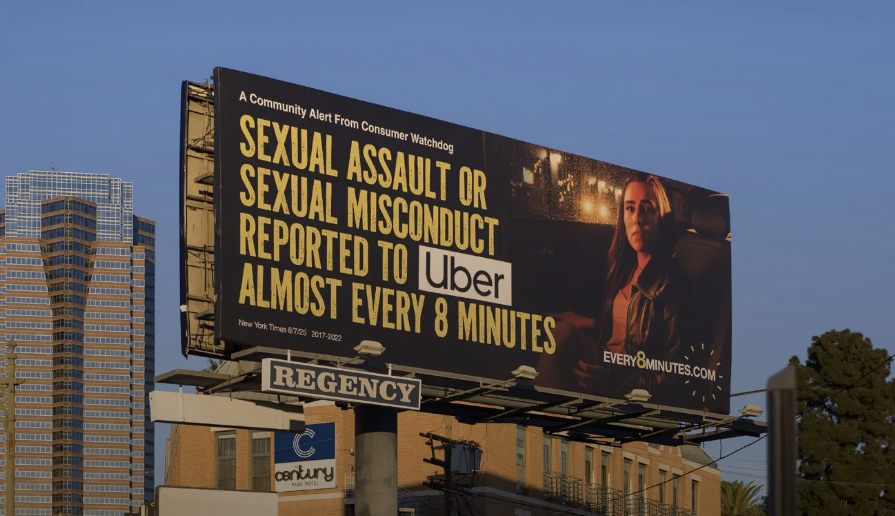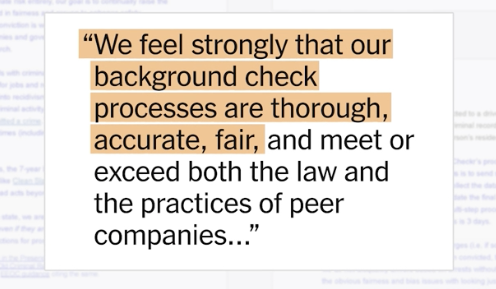
A New York Times video investigation examined Uber’s driver background check practices, raising serious questions about how individuals with violent criminal histories were able to become approved drivers on the platform.
According to the reporting, Uber’s screening process in many states relies on limited lookback periods and jurisdiction-based checks, which may fail to identify certain prior convictions. From a legal standpoint, this reporting highlights broader concerns about rideshare companies’ responsibilities to protect passengers from foreseeable risks.
At BTG, we represent individuals who were harmed during rideshare trips and families seeking accountability when safety systems fail. Civil cases involving Uber often focus on negligent hiring, negligent supervision, and whether reasonable safety measures were in place to protect riders.
This post summarizes investigative journalism and does not allege wrongdoing in any individual case.